
 EN
EN
 AR
AR
 BG
BG
 HR
HR
 CS
CS
 DA
DA
 NL
NL
 FI
FI
 FR
FR
 DE
DE
 EL
EL
 IT
IT
 JA
JA
 KO
KO
 NO
NO
 PL
PL
 PT
PT
 RO
RO
 RU
RU
 ES
ES
 SV
SV
 TL
TL
 ID
ID
 LT
LT
 SR
SR
 SK
SK
 UK
UK
 HU
HU
 TH
TH
 TR
TR
 AF
AF
 MS
MS
 GA
GA
 KA
KA
 BN
BN
 LA
LA
 MN
MN
 KK
KK
 UZ
UZ
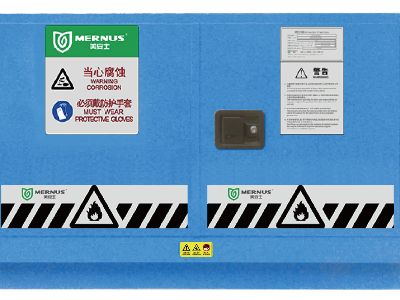
The Importance of Eyewash Stations for Laboratory Safety
Laboratory safety is a top priority in any research, educational, or industrial environment. One essential component of a safe laboratory is a properly installed and maintained eyewash station. These emergency units are designed to quickly flush harmful substances from the eyes following accidental exposure to chemicals, dust, or other hazardous materials.
In many laboratories, eyewash stations are installed alongside a safety shower with eye wash system to provide immediate emergency response. When accidents occur, every second matters. Quick access to emergency equipment can help reduce the risk of serious injuries and protect a person's vision. To maintain a safe workplace, laboratories should ensure that all emergency equipment remains accessible, functional, and compliant with safety regulations.
Where to Purchase High-Quality Eyewash Stations for Laboratories
Finding reliable eyewash stations begins with choosing reputable laboratory safety equipment suppliers. Many specialized safety equipment distributors offer a wide selection of emergency eyewash units suitable for different laboratory environments.
Online suppliers often provide detailed product specifications, customer reviews, and comparison tools that make selecting the right model easier. Local industrial safety equipment stores can also be valuable resources, especially when businesses want to inspect products before purchasing.
When evaluating options, consider factors such as installation requirements, maintenance needs, water flow performance, and compliance with workplace safety standards. Many laboratories also choose integrated safety showers & eye wash stations that provide comprehensive protection in areas where chemical exposure risks are higher.
What Are the Key Features to Look for in Eyewash Stations?
Choosing the right eyewash station requires careful consideration of several important features.
Easy Operation
During an emergency, users must be able to activate the eyewash station immediately. Hands-free operation is highly recommended because it allows users to keep their eyes open while rinsing.
Consistent Water Flow
A quality eyewash station should provide a gentle yet continuous flow of water. The stream should effectively remove contaminants without causing additional irritation or injury.
Temperature Control
Water that is too hot or too cold can discourage users from completing the recommended flushing period. Tempered water systems help ensure user comfort and effectiveness.
Easy Maintenance
Routine inspections and testing are essential. Look for equipment that offers straightforward maintenance procedures and durable components.
High Visibility
Emergency equipment should be clearly marked and easy to locate. Bright colors, proper signage, and unobstructed access improve response times during emergencies.
Chemical Resistance
Since laboratory environments often involve hazardous substances, eyewash stations should be manufactured from corrosion-resistant materials that can withstand long-term exposure to chemicals.
Finding the Best Deals for Your Laboratory
Equipping a laboratory with safety equipment requires balancing quality and cost. Before making a purchase, compare products from multiple suppliers and evaluate their features, warranties, and customer support services.
Reading customer reviews and requesting product demonstrations can help identify reliable solutions. Some suppliers offer volume discounts, maintenance packages, or extended warranties that provide additional value over time.
When comparing options, don't focus solely on price. Investing in durable and dependable emergency equipment can reduce replacement costs and improve workplace safety in the long run.
Where Should Eyewash Stations Be Installed for Maximum Safety?
Proper placement is critical to ensuring eyewash stations are effective during emergencies.
Eyewash stations should be installed close to areas where chemicals are handled, stored, or mixed. Employees must be able to reach the station quickly without encountering obstacles or barriers.
Laboratories that work with hazardous substances often benefit from installing a science emergency shower in conjunction with eyewash stations. These systems provide full-body decontamination for workers exposed to chemical splashes or spills.
Clear signage should direct personnel to emergency equipment, and pathways should remain free from storage materials, furniture, or equipment that could slow emergency response.
Regular safety assessments can help identify whether additional eyewash stations or emergency shower units are needed as laboratory operations evolve.
What Are the Best Practices for Maintaining Eyewash Stations?
Regular maintenance is essential to ensure eyewash stations function correctly when needed.
Conduct Routine Inspections
Inspect equipment regularly for leaks, corrosion, damaged components, or obstructions that could affect performance.
Flush the System Frequently
Running water through the system helps prevent contamination and removes stagnant water that may accumulate over time.
Keep the Area Clear
Emergency equipment should remain easily accessible at all times. Avoid storing supplies or equipment near eyewash stations.
Train Laboratory Personnel
All employees should understand how to operate eyewash stations and emergency showers correctly. Routine safety training helps ensure fast and effective responses during emergencies.
Maintain Documentation
Keep records of inspections, maintenance activities, and testing schedules. Proper documentation supports regulatory compliance and helps ensure equipment reliability.
Conclusion
Eyewash stations play a vital role in laboratory safety by providing immediate emergency response following chemical exposure. Whether installed as standalone units or integrated into a safety shower with eye wash system, these devices help protect workers from serious injuries and support compliance with workplace safety regulations.
By selecting quality equipment, installing it in appropriate locations, and following regular maintenance procedures, laboratories can create a safer environment for employees, researchers, and students. Comprehensive safety showers & eye wash stations and properly maintained science emergency shower systems remain essential investments for any facility that prioritizes safety and operational excellence.
Table of Contents
- Where to Purchase High-Quality Eyewash Stations for Laboratories
- What Are the Key Features to Look for in Eyewash Stations?
- Finding the Best Deals for Your Laboratory
- Where Should Eyewash Stations Be Installed for Maximum Safety?
- What Are the Best Practices for Maintaining Eyewash Stations?
- Conclusion