 EN
EN
 AR
AR
 BG
BG
 HR
HR
 CS
CS
 DA
DA
 NL
NL
 FI
FI
 FR
FR
 DE
DE
 EL
EL
 IT
IT
 JA
JA
 KO
KO
 NO
NO
 PL
PL
 PT
PT
 RO
RO
 RU
RU
 ES
ES
 SV
SV
 TL
TL
 ID
ID
 LT
LT
 SR
SR
 SK
SK
 UK
UK
 HU
HU
 TH
TH
 TR
TR
 AF
AF
 MS
MS
 GA
GA
 KA
KA
 BN
BN
 LA
LA
 MN
MN
 KK
KK
 UZ
UZ
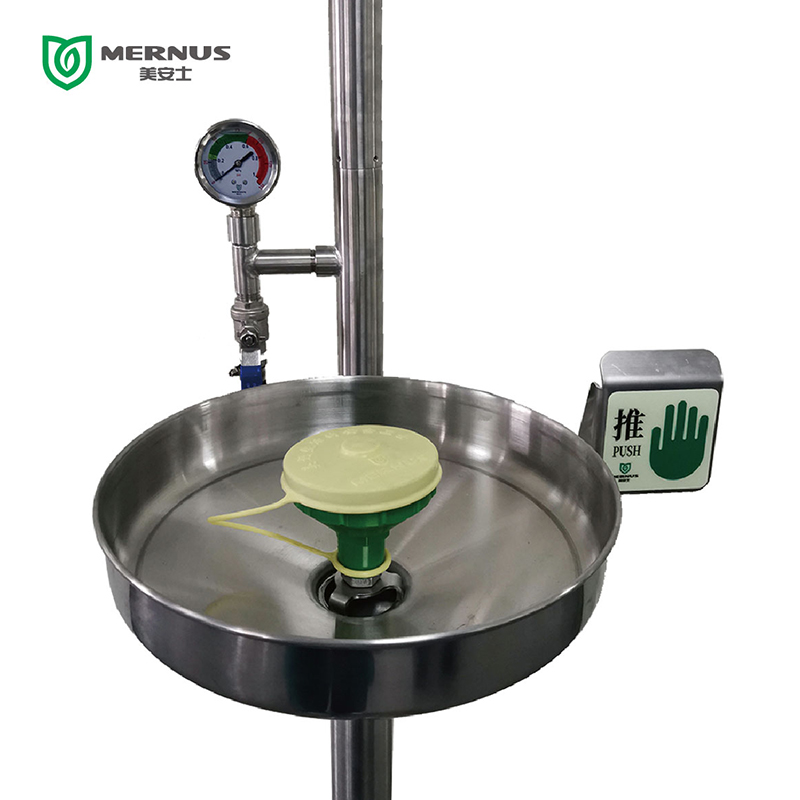
Eyewash stations are very important in science labs. They help keep everyone safe if something goes wrong. When someone gets a chemical in their eyes, every second counts. Eyewash stations are designed to wash away harmful substances quickly. This can stop serious injuries from happening. It’s not just about having one in the lab; it’s about knowing how to use it right. MERNUS is committed to providing high-quality eyewash stations that help ensure safety and quick response during emergencies.
What Are the Key Benefits of Eyewash Stations in Science Labs?
Eyewash stations offer many benefits in science labs. The first and most important benefit is safety. Chemicals can be very dangerous, especially if they get into someone’s eyes. Eyewash stations provide a quick way to flush out harmful substances, which can prevent long-term damage. For example, if a student accidentally spills a chemical, getting to an eyewash station quickly can make a huge difference. It can wash away the chemical and reduce the risk of injury.
Another benefit is that they are easy to use. Most people can operate an eyewash station without any special training. Just pull the handle or push the button, and clean water flows out. This ease of use is crucial during an emergency when every moment matters. For instance, if a teacher is conducting an experiment and something goes wrong, a student can quickly help their classmate get to the eyewash station, ensuring they get the help they need right away.
What Wholesale Buyers Need to Know About Eyewash Station Regulations
Wholesale buyers should know that eyewash stations must meet certain regulations. These rules are set by organizations that want to keep workers safe. For example, the American National Standards Institute (ANSI) has guidelines for eyewash stations. These guidelines ensure that the stations provide enough water flow and are located where they can be reached quickly. This is important because, in an emergency, every second counts.
Buyers should also look for stations that are easy to maintain. Some models need regular checks to ensure they work properly. This means that schools or labs need to have a plan to inspect these stations often. MERNUS eyewash stations are designed to be low-maintenance, which can help save time and effort for staff.
How to Choose the Right Eyewash Station for Your Laboratory Needs
Choosing the right eyewash station for your lab is very important. First, you need to think about where the station will go. It should be close to where people work with dangerous chemicals. If there is an accident, you want to make sure that a person can get to the eyewash station quickly. Look for a spot that is easy to reach and clearly marked. Next, consider the type of eyewash station. There are different kinds, like wall-mounted or portable ones. For a busy lab, a wall-mounted station is often best because it saves space and is always ready to use. Portable slim flow eyewash station are great for places where you may not have a fixed station or if you need to move it around. After that, think about how much water the station holds. The more water it has, the longer it can wash out harmful substances from the eyes.
How Eyewash Stations Can Reduce Injury Severity in Science Labs
Eyewash stations are very important in science labs because they can help reduce the seriousness of injuries. When someone accidentally gets a harmful chemical in their eyes, every second counts. The quicker they can rinse their eyes, the less damage can happen. When a person uses an sink mounted eyewash station can wash out the chemical quickly. This helps to stop the chemical from causing serious harm. Studies show that quick action can save eyesight. If someone waits too long to wash their eyes, the chemical can burn the eyes or cause other problems. Eyewash stations work best when they are easy to find and use. That is why having the right equipment in the right locations is so crucial. Also, when people in the lab know where the eyewash stations are and how to use them, they can respond faster in an emergency. Training is also important. Lab workers should know the steps to take if an accident happens.
What are the Best Practices for Maintaining Eyewash Stations in Labs?
Maintaining eyewash stations in labs is very important to ensure they work when needed. First, regular checks should be done to make sure the station is clean and in good working order. Dust, dirt, or any blockages can stop the water from flowing properly. To keep the single eyewash station should be cleaned and inspected at least once a month. During these inspections, check the water levels. If the station uses water tanks, make sure they are full and that the water is clean. If the station has a faucet, make sure the water flows freely. Also, check for any signs of rust or damage. If you see anything wrong, it should be fixed right away. Another important part of maintenance is to make sure everyone in the lab knows how to use the eyewash station.
Table of Contents
- What Are the Key Benefits of Eyewash Stations in Science Labs?
- What Wholesale Buyers Need to Know About Eyewash Station Regulations
- How to Choose the Right Eyewash Station for Your Laboratory Needs
- How Eyewash Stations Can Reduce Injury Severity in Science Labs
- What are the Best Practices for Maintaining Eyewash Stations in Labs?