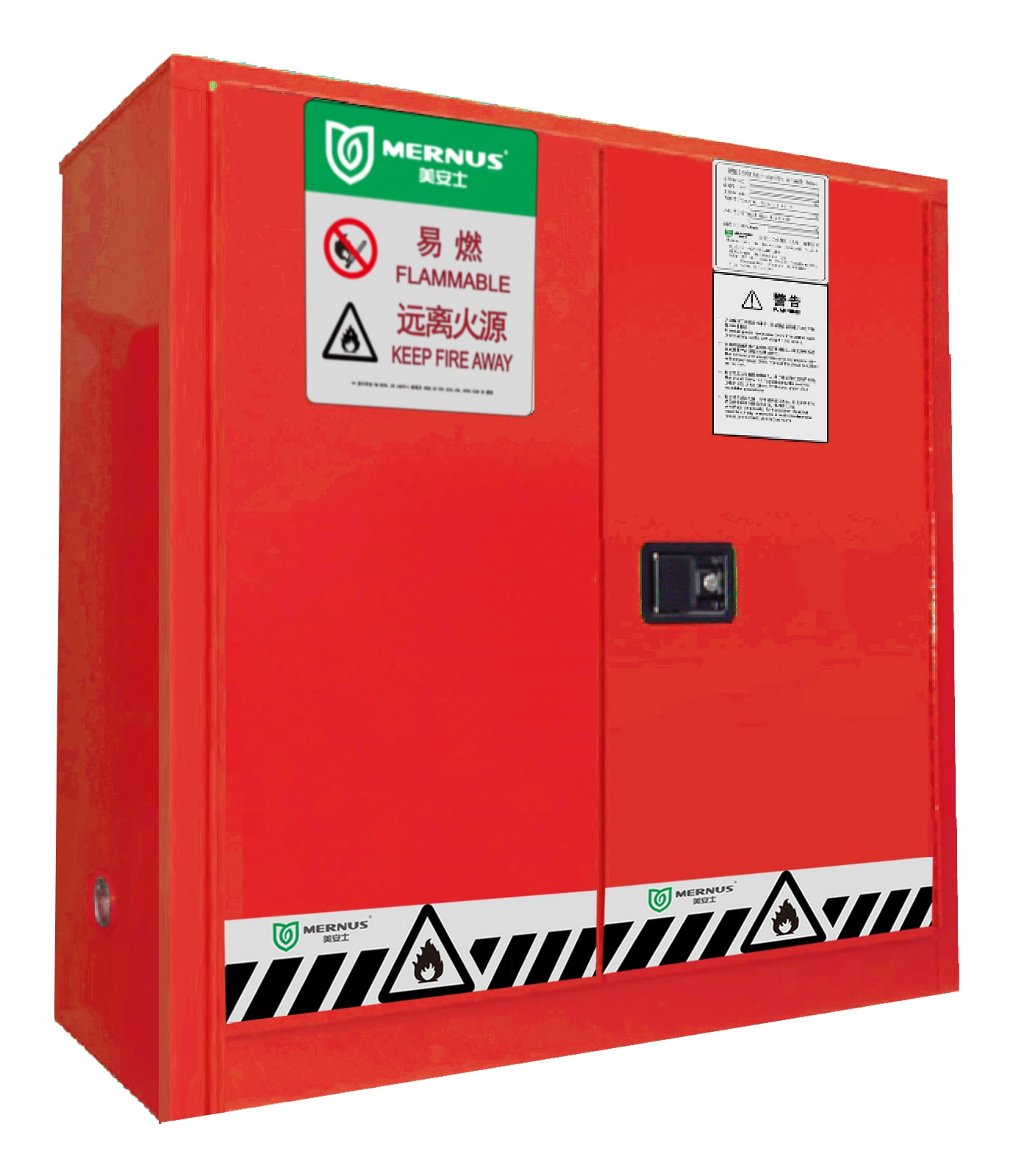
En av de viktigaste delarna inom industriell säkerhet och hygien är användningen av korrekta nödögonspolningsstationer. MERNUS erbjuder ett urval högkvalitativa ögonspolningsduschar som ger omedelbar lindring och skyddar mot permanent skada vid kemikaliesprut eller damm i ögonen. Dessa ögonspolningsduschar är mer än bara en utrustningsdel, de är en nödvändighet som säkerhetsåtgärd och kan erbjuda en akut lösning.
MERNUS ögonsköljdukar är designade för att tåla tuff användning i alla typer av industriområden. Från tillverkningshallar till kemiska processanläggningar är risken för ögonskador hög. Dessa stationer placeras strategiskt så att de är lättåtkomliga när panik uppstår. De möjliggör en kontinuerlig vattenström för att snabbt och enkelt spola bort farliga ämnen – ett måste vid ögonnöd för att förhindra långvarig ögonskada.
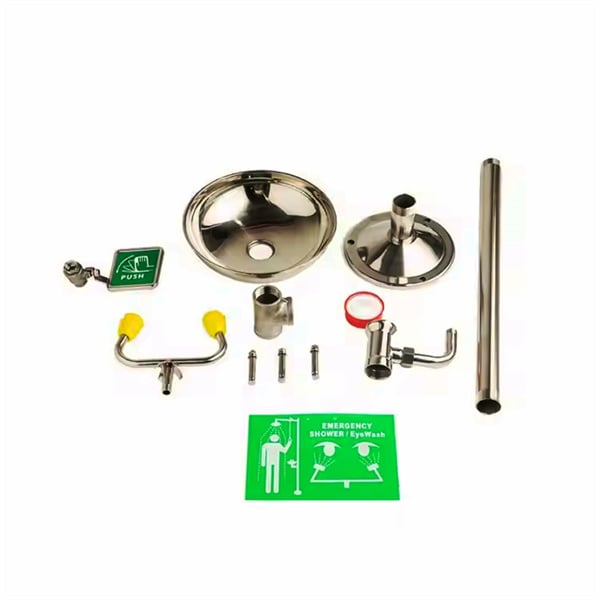
I nödsituationer räknas varje sekund. MERNUS:s ögonsköljstationer är designade för detta ändamål. De går att aktivera snabbt och ger en lätt, jämn vattenström som behövs för att skölja bort irriterande ämnen från ögat. Materialen i dessa stationer är av mycket hög kvalitet och kommer inte rosta sönder eller vara benägna att gå sönder, faktorer som är ytterst viktiga för beredskap inför nödsituationer.
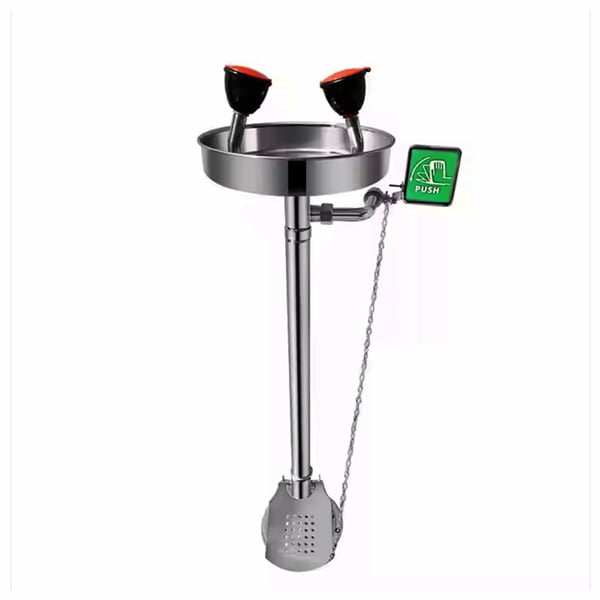
Det som gör att en ögonsköljstation fungerar är hur snabbt den kan lindra. MERNUS har konstruerat alla sina stationer så att de omedelbart startar vid vridning av ett handtag eller tryck på en pedal. I farliga miljöer kan snabb aktivering vara avgörande, eftersom skillnaden på några sekunder kan göra att en mild irritation blir till en allvarlig skada. Munstyckena är strategiskt placerade för att 'skölja' ögonen utifrån och in, och processen upprepas för att säkerställa att hela ögat rensas ordentligt.
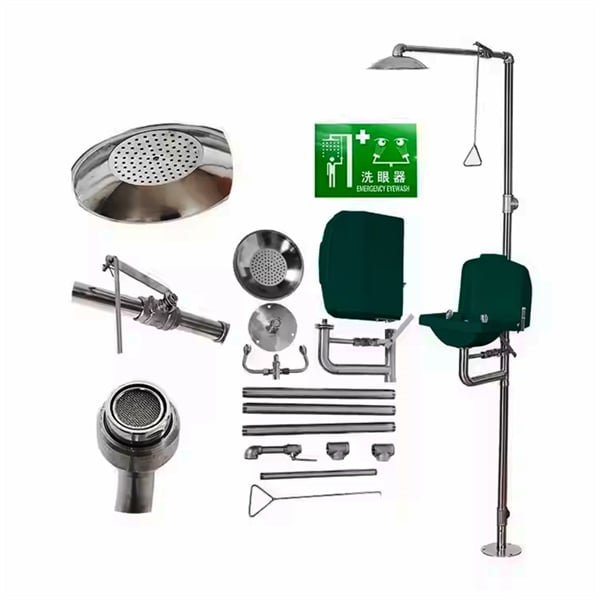
Säkerhetsregler är inte förslag – de är ett krav för att skydda arbetstagare från livshotande situationer. MERNUS:s ögonspolningsduschar uppfyller alla OSHA-krav, inklusive kravet på att nödögonspolning och duschutrustning måste vara tillgängliga och ordentligt underhållna, samt att de tillhandahåller vätska med en flödeshastighet på minst 0,4 gpm i 15 minuter. Denna efterlevnad förhindrar inte bara olyckor, utan skyddar också företag från ansvar och stöder en säkerhetskultur i verksamheten.
Vår engagemang för kvalitet är grundstenen som vår produktutveckling bygger på. Varje enskild produkt utsätts för en strikt serie med kvalitetskontroller, vilket säkerställer att de inte bara uppfyller utan ofta överträffar branschstandarder. Våra produkter är personifieringen av vår dedikation till exellens, deras hållbarhet, tillförlitlighet och prestation är ett bevis på den noggranna uppmärksamheten till detaljer som går in i varje aspekt av deras design och tillverkning, vilket ger våra kunder försäkran om att de investerar i toppen av säkerhetsteknik.
Vi förstår att våra kunders säkerhetsbehov är lika varierade som de företag de representerar. Denna insikt har lett till att vi specialiserat oss på att skapa anpassade säkerhetslösningar som möter de unika utmaningarna och kraven hos varje kund. Vårt team ingår i en samarbetsorienterad dialog med våra kunder, där vi dyker in i detaljerna kring deras säkerhetslandskap för att designa och implementera lösningar som inte bara är effektiva utan också smidigt integrerade i deras befintliga infrastruktur, vilket säkerställer en harmonisk anpassning av säkerhet och företagsoperationer.
Vår kompetens inom projektledning är resultatet av en noggrann tillvägagångssätt för att koordinera komplexa säkerhetsinitiativ. Vi kombinerar strategisk vision med operativ flexibilitet, vilket säkerställer att varje projekt genomförs med precisionen hos en schweizisk klocka. Våra projektledare är erfarna ledare i säkerhetsimplementeringsprocessen och guider våra kunder genom de komplicerade aspekterna av deras säkerhetsprojekt med säker hand, vilket ger dem förtroende för att deras säkerhetsställning är i kompetenta och erfarna händer.
Vår företags 16-åriga verksamhet inom säkerhetsområdet har varit en resa av obesviken innovation och strategisk förståelse. Vi har utvecklat en matchlös expertis, omvandlat vår omfattande erfarenhet till praktiska insikter som styr våra lösningar. Vår metod bygger på en djupgående förståelse av säkerhetslandskapet, ett intimt kunnande om de dynamiska hot som präglar vår värld och en bestående engagemang för innovation. Vi har navigerat genom komplexiteten i otaliga verkliga säkerhets-scenarier, skarpt förfinerat våra strategier för att se till att våra klienter är utrustade med lösningar som inte bara är testade utan också redo att möta de mest avancerade utmaningarna.
 EN
EN
 AR
AR
 BG
BG
 HR
HR
 CS
CS
 DA
DA
 NL
NL
 FI
FI
 FR
FR
 DE
DE
 EL
EL
 IT
IT
 JA
JA
 KO
KO
 NO
NO
 PL
PL
 PT
PT
 RO
RO
 RU
RU
 ES
ES
 SV
SV
 TL
TL
 ID
ID
 LT
LT
 SR
SR
 SK
SK
 UK
UK
 HU
HU
 TH
TH
 TR
TR
 AF
AF
 MS
MS
 GA
GA
 KA
KA
 BN
BN
 LA
LA
 MN
MN
 KK
KK
 UZ
UZ