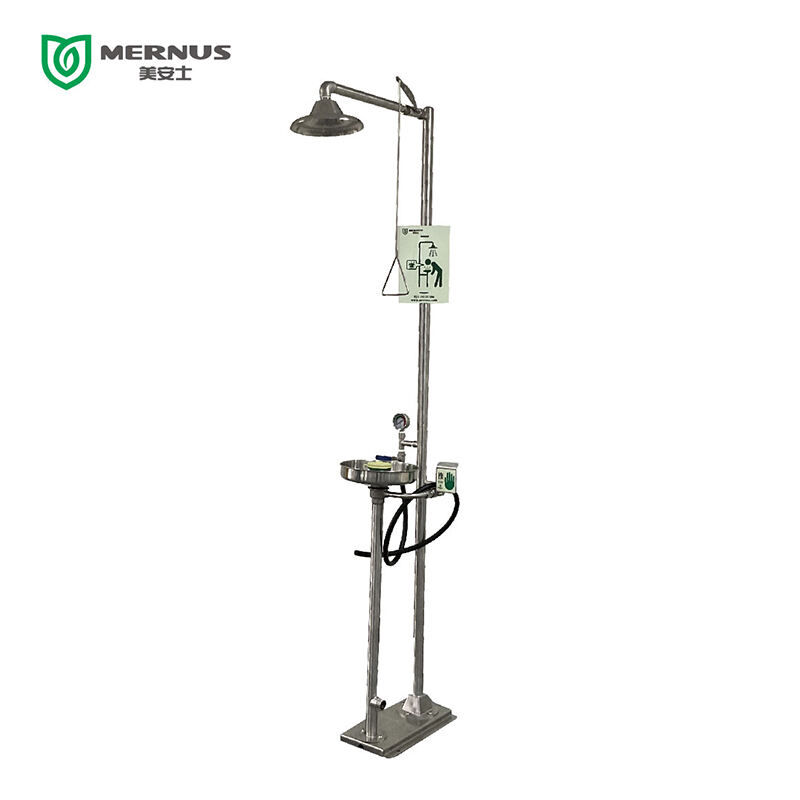
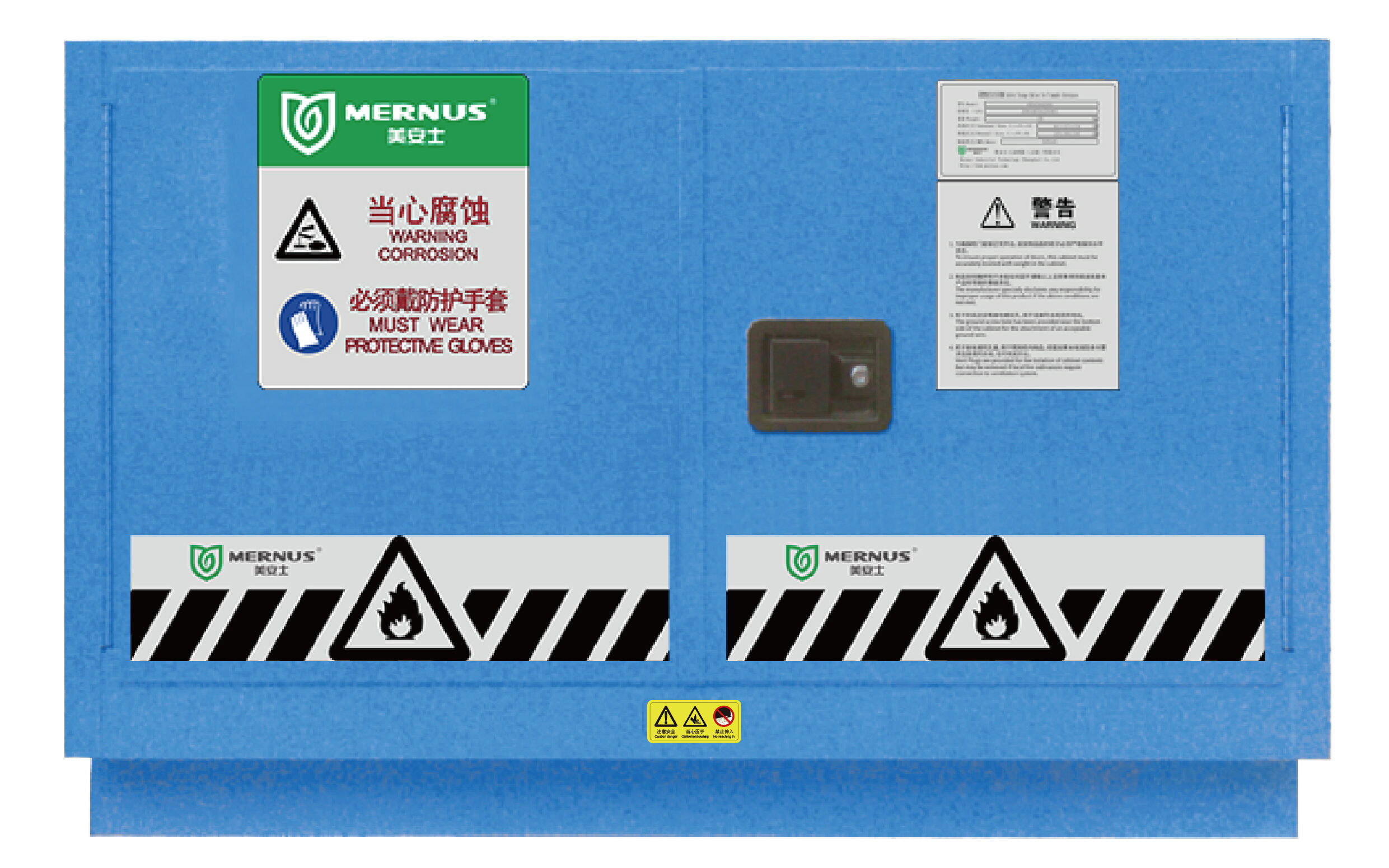
Emergency Showers and Eyewashes: How to select the right types for your facility There are a lot of things to keep in mind when choosing emergency showers and eyewashes for your facility. The first thing you will want to do is identify what safety and hazards are applicable to your specific workplace. For instance, if your plant works with corrosive chemicals, you will need emergency showers and eyewashes that can offer a complete rinse to counteract the ‘bad stuff. Also, take into account the configuration of your space and where employees are in relation to emergency equipment. Note: The showers and eye washes should be readily available and required to be reached easily for emergency purposes.
Additionally, you would want to select emergency showers and eyewashes that meet safety standards (like ANSI Z358. 1. These codes specify what is required for emergency fixtures, such as water run rates, temperature control and accessibility. It is critical that you ensure your emergency showers and eye/face washes will comply with these standards to be effective in an emergency. Also, think about what the maintenance needs for the equipment will be and make sure that your employees can learn how to operate and maintain the showers/eyewashes effectively so they can do their job when you need them.
Construction Helmets Industrial Safety HelmetsSharedPointer2/ulliHelmet /liliKey Features : PPCap Construction hard hats are essential safety gear to protect the head from injuries and Workwear provides you with some of the best helmets that work well in very tough condition./liliEasy To Use Cap construction helmets come with ratchet system headgear for easy adjustments and comfort, making it perfect for industrial work places./li/ul h2Features/h2 ul liHigh impact PP shell materialliSweat-absorbent headbandliChin strap included.li/Easy-to-use Ratche-4/p/liliuvex pheos I mtb b-wr 9772600incl.
Emergency showers and eyewashes allow employees to quickly douse any chemicals in order to minimize the harm from a chemical splash or spill and offer rapid relief. These units provide an uninterrupted stream of water to the eyes, face or body to rid them of hazardous material and wash away any other contaminants. Employers who have this safety equipment in place can show their dedication to employee safety and ensure there is an immediate response to emergencies on the job.
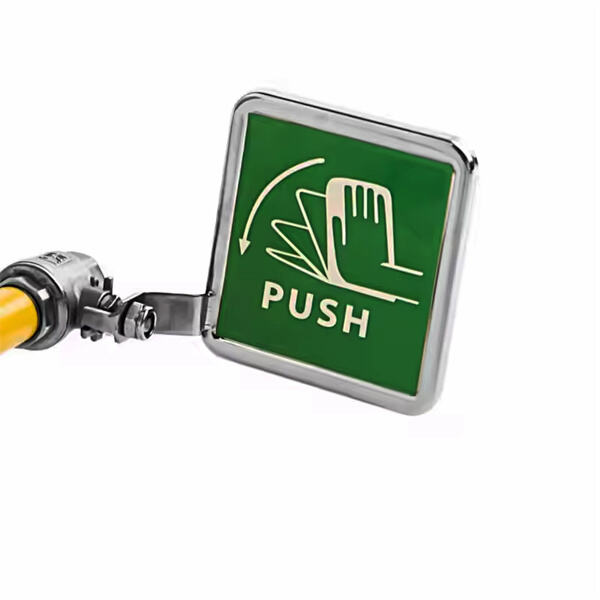
All in all, purchasing high-quality emergency showers and eyewashes is one way to take a preventative approach to making your workplace safer for your workers. Courtesy of: TechsafetyBy addressing specific needs for your building, following safety codes and regulations, and maintaining & training appropriately - you will be ensure a safer work environment to reduce hazards that threaten health/ human life. The installation and upkeep of emergency showers and eyewashes is paramount if you want to take care of your employees as well as introduce a culture of safety into your workplace, the need for which becomes particularly acute when dealing with laboratory or industrial environments.
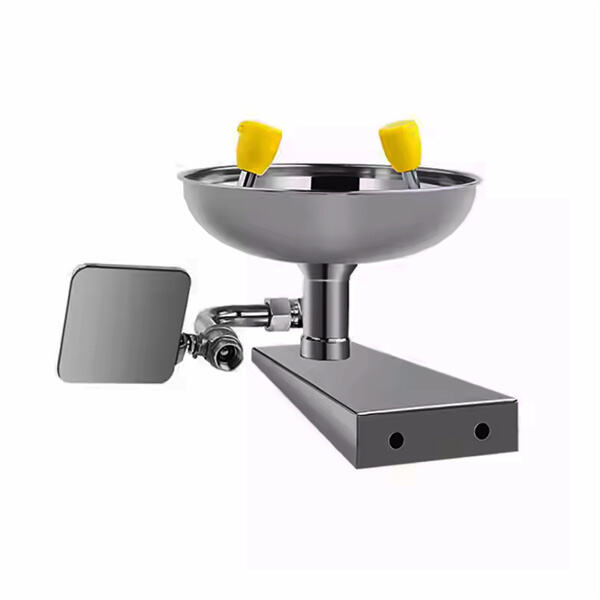
Emergency showers and eyewashes are vital pieces of safety equipment that can help prevent injury to workers from accidentally coming into contact with chemicals or other harmful substances. Nonetheless, there are some usage issues that typically can decrease their efficiencies. One familiar problem is lack of maintenance. Emergency showers and eyewashes must be periodically checked and maintained to ensure they are operating properly. Another issue is improper installation. Emergency showers/eyewashes should be positioned in convenient and easily accessible areas for emergency use.
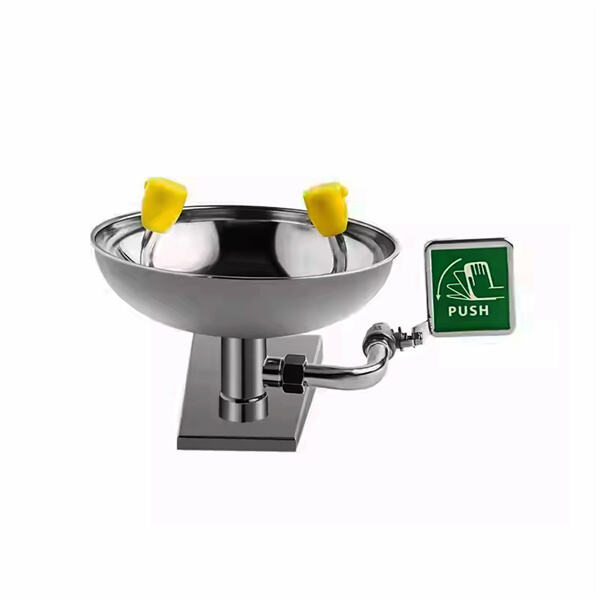
Compliance with safety standards and regulations is an important aspect of emergency showers and eyewashes. Employers are responsible for providing a safe workplace for their workers including appropriate safety equipment such as emergency showers and eyewashes. Emergency showers and eyewashes in the workplace are regulated by a set of specific standards created by the Occupational Safety and Health Administration (OSHA). Employers should become familiar with these laws to help protect their workers and avoid potential fines or penalties.
Our commitment to quality is the bedrock upon which our product development is built. Each of our products is subjected to a rigorous gauntlet of quality control measures, ensuring that they not only meet but often surpass industry benchmarks. Our products are the embodiment of our dedication to excellence, their durability, reliability, and performance a testament to the meticulous attention to detail that goes into every aspect of their design and manufacture, providing our clients with the assurance that they are investing in the pinnacle of security technology.
We understand that the security needs of our clients are as diverse as the businesses they represent. This understanding has led us to specialize in crafting bespoke security solutions that are tailored to the unique challenges and requirements of each client. Our team engages in a collaborative dialogue with our clients, delving into the specifics of their security landscape to design and implement solutions that are not only effective but also seamlessly integrated into their existing infrastructure, ensuring a harmonious alignment of security and business operations.
Our company's 16-year tenure in the security domain has been a journey of relentless innovation and strategic acumen. We've cultivated an unrivaled expertise, distilling our extensive experience into actionable insights that drive our solutions. Our approach is grounded in a profound understanding of the security landscape, an intimate knowledge of the dynamic threats that shape our world, and a steadfast commitment to innovation. We've navigated the complexities of countless real-world security scenarios, honing our strategies to a razor's edge, ensuring that our clients are equipped with solutions that are not only tried and tested but also poised to tackle the most sophisticated challenges.
Our proficiency in project management is the result of a meticulous approach to orchestrating complex security initiatives. We bring to bear a synergy of strategic vision and operational agility, ensuring that each project is executed with the precision of a Swiss watch. Our project managers are seasoned navigators of the security implementation process, guiding our clients through the intricacies of their security projects with a deft hand, providing them with the confidence that their security posture is in capable and experienced hands.
 EN
EN
 AR
AR
 BG
BG
 HR
HR
 CS
CS
 DA
DA
 NL
NL
 FI
FI
 FR
FR
 DE
DE
 EL
EL
 IT
IT
 JA
JA
 KO
KO
 NO
NO
 PL
PL
 PT
PT
 RO
RO
 RU
RU
 ES
ES
 SV
SV
 TL
TL
 ID
ID
 LT
LT
 SR
SR
 SK
SK
 UK
UK
 HU
HU
 TH
TH
 TR
TR
 AF
AF
 MS
MS
 GA
GA
 KA
KA
 BN
BN
 LA
LA
 MN
MN
 KK
KK
 UZ
UZ